
With mental health struggles rising, we must remember that we cannot give our children a peace we do not possess ourselves; I learned this the hard way at my rock bottom, where anxiety left me physically starving at 79 pounds until God transformed my mind and miraculously healed my body. Now, I’ve discovered that protecting our family’s mental health starts by making God—not our family—our primary source, modeling peace through praise, and building a “safe place” of connection rather than control. By granting our children freedom within biblical boundaries and equipping them with practical tools like Scripture Songs, we stop managing behavior and start leading by example, drawing their hearts toward the Prince of Peace as we walk in victory ourselves.
Today, as a mother of four (with a baby boy on the way!), I want to share the five life-changing principles God taught me to protect my mental health and, by extension, the mental health of my children.
The most common root of anxiety in parents is looking to the wrong “cistern” to fill our soul’s needs. In Jeremiah 2:13, God says His people have committed two evils: they have forsaken Him, the fountain of living waters, and have instead hewn out “broken cisterns” that can hold no water.
We all have deep needs for love, acceptance, security, and identity. God’s design is that we get these needs met directly from Him so that we are so “overflowing” that we can spill out onto our children. As parents, we stand in the place of God to our young children; they get their needs from us. But as they grow, they must learn to connect with the Fountain themselves.
When we make a spouse or a child our “source” of happiness, we are setting ourselves up for failure. Humans are “broken cisterns”—they are empty too, and they will always let us down eventually.
If your child is your source of happiness, you will feel a desperate need to force and control them to be “good” so that you can feel okay. But when God is your source, it doesn’t matter if those around you are “polluting the stream” with bad behavior; your supply remains pure because it’s coming from above you, not from those beside you. To make God your source, you must “eat” His words—internalize His promises as if they were a personal love letter written just for you.
Our children are always watching to see how we respond to the “storms” of life. Do they see us overwhelmed, or do they see us rising above?
During a period of deep depression, God taught me the power of praise. I decided to try something new: when a trial hit—like a broken appliance—we would praise the Lord. I even taught my girls to “leap for joy” when things went wrong.
The atmosphere of our home changed instantly. After just a few days of this, I overheard my children saying it was the “best day of their lives,” even though nothing special had happened. God inhabits the praises of His people, and His presence is what brings peace.
To protect our children’s mental health, we must learn to be “dead to self” (Galatians 2:20). Think of a grave: you can insult or kick a dead person, and they won’t respond because they have no ego to defend.
When our children lash out in anger, if we react in anger, we become part of the problem and cannot help them. However, if we remain calm and “answer nothing,” the child is often able to feel the conviction of their own actions rather than feeling justified by our blow-up.
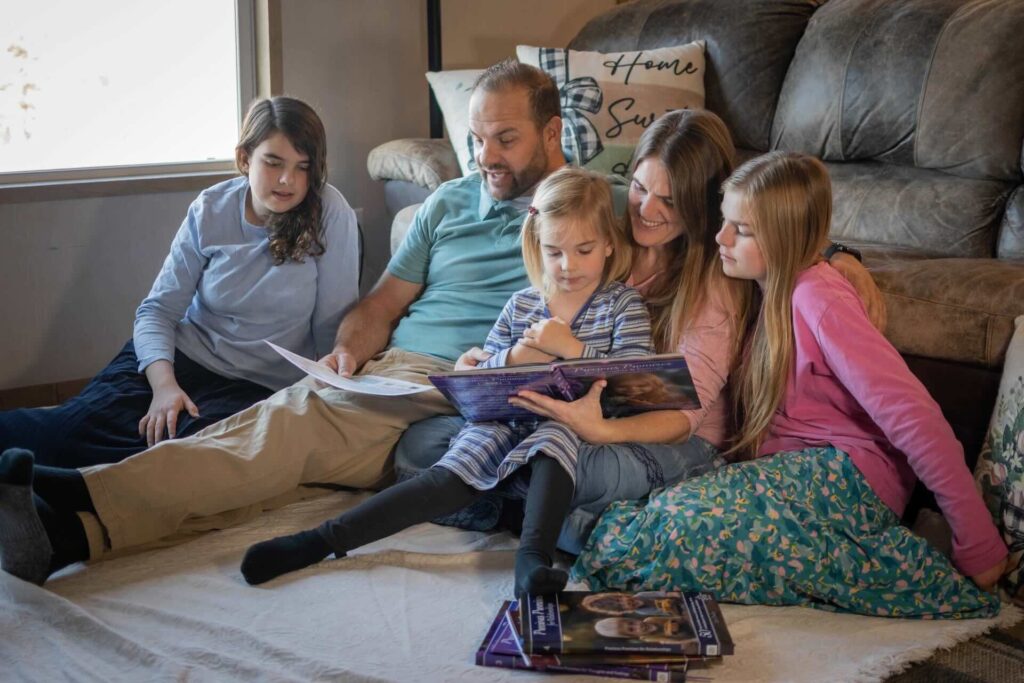
There should be no other place on earth where our children feel safer than with us. This connection starts in the womb—where a mother’s thoughts and emotions actually begin forming a child’s character—and continues as they grow.
To be a safe place, we must respond warmly and consistently. This means listening to our children without immediately jumping in to correct them or judge them. We want them to feel they can tell us anything. If they can’t, we need to ask ourselves: “Am I being harsh? Am I yelling? Am I judgmental?”.
One of the most powerful ways to heal a relationship is through a sincere apology. Many parents think apologizing is a sign of weakness, but it is actually a sign of strength. When I mess up and lash out in anger, I apologize immediately. This shows my children that I value our relationship more than my pride and teaches them how to handle their own mistakes.
I have seen many conservative Christian homes where the children look perfect until they turn 18, and then they leave the faith. I believe this is often because they were over-controlled and never learned to make decisions for themselves.
True biblical parenting follows God’s model in Eden: He gave Adam and Eve plenty of good options (all the trees they could eat) but set one clear boundary with a defined consequence.
As homeschool moms, we need to offer our children choices as early as possible—even small things like what to wear or eat. When we force and control, we create “people pleasers” who suffer from anxiety and perfectionism. When we allow them to choose and experience the consequences, they develop a “will” and learn to choose Christ for themselves.
Finally, we must give our children practical tools to fight anxiety. While memorizing long chapters of the Bible is good, I found that my children weren’t actually applying those verses when they were scared or angry.
Music is an effortless way to get truth into a child’s heart. I can spend weeks trying to help a child memorize a verse, but they will learn a scripture song in minutes and remember it months later.
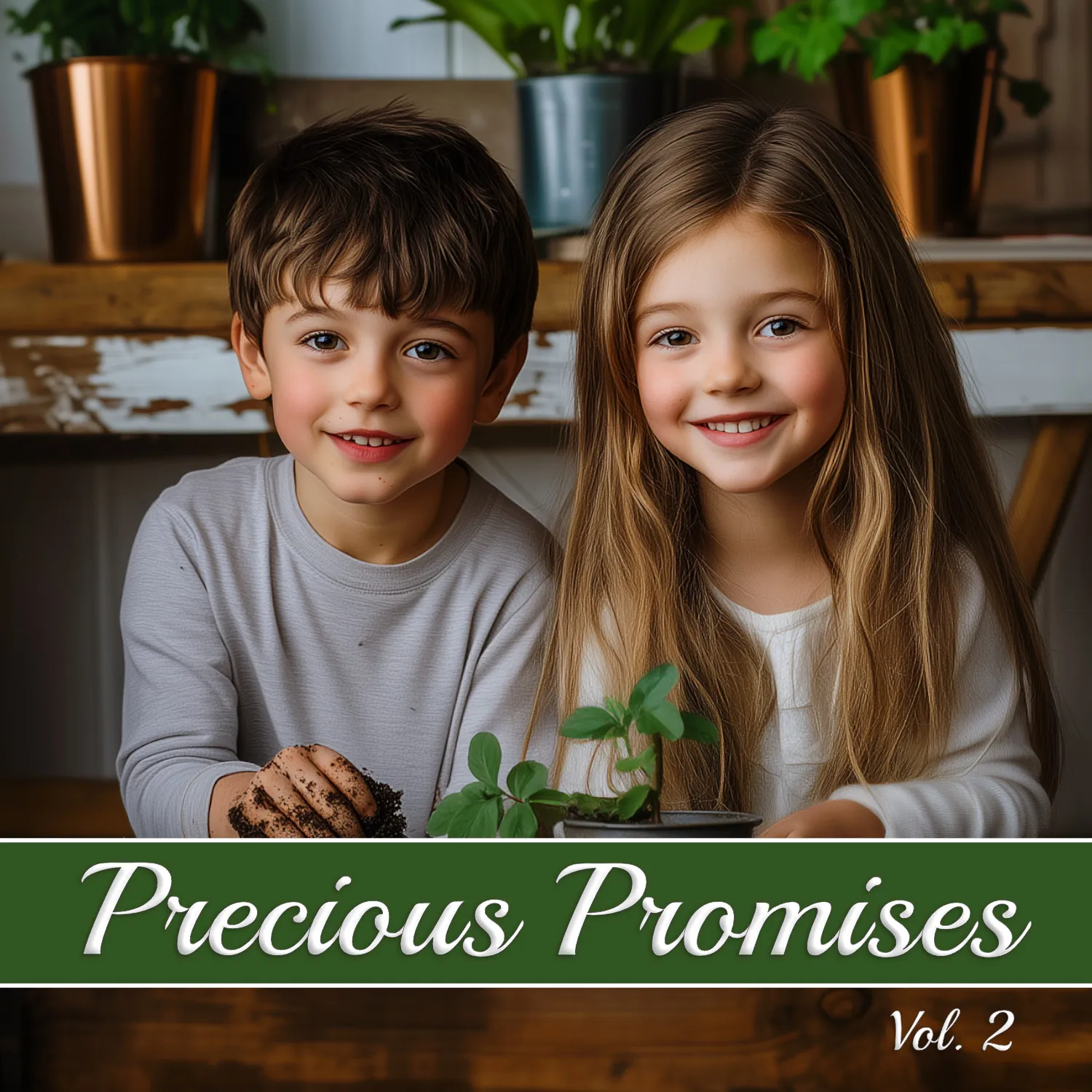
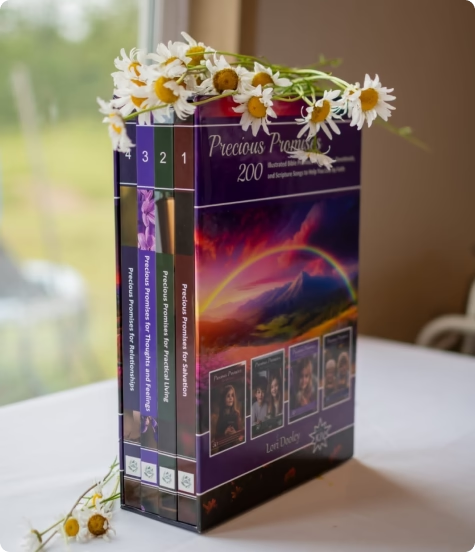
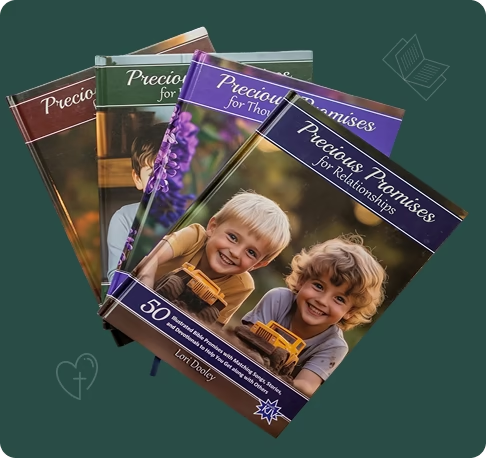
I created the Precious Promises series because I wanted my children to have “first-aid” verses for specific emotions. Now, when my daughter is scared during a thunderstorm, she doesn’t come wake me up; she sings her scripture songs and finds peace. When a sibling is unkind, instead of hitting back, she sings, “Great peace have they which love thy law,” and goes back to playing. There is no greater gift we can give them than the Word of God in a format they can use in their moment of need.
If you forget everything else I’ve said, please remember this: Be the person that you want your children to be, then draw their hearts so close to you that they want to follow you.
Don’t focus on controlling their behavior; focus on leading them by example. When they see you finding victory over your own anxiety and finding joy in Christ, they will naturally want that for themselves. My oldest daughter, with whom I once had a very rocky relationship, recently told me, “Mommy’s like my best friend”. That is the power of God to heal and restore when we apply His principles.
Mental health is multifaceted—it involves our thoughts, our connection to nature, and even our nutrition (be sure to check those Vitamin D and Ferritin levels!). But at its core, it is a journey toward the Prince of Peace.
I am praying for each of you as you shepherd the precious hearts in your home. May God pull you out of any “pit of despair” and put a new song in your mouth.